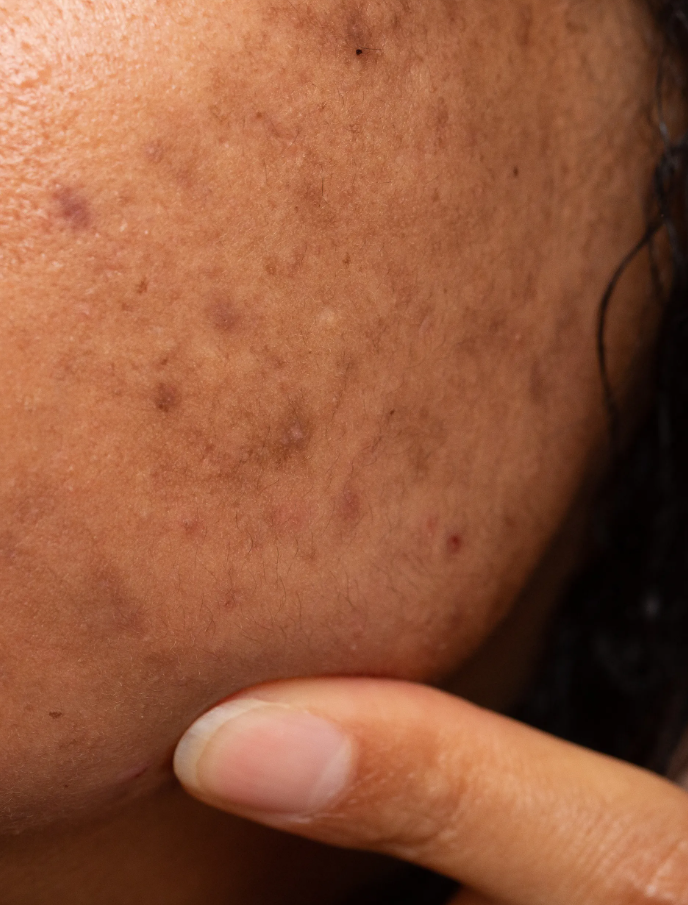
Even if you’ve invested time, money, and effort into whitening products, dark spots don’t vanish overnight. Dermatologist Mamina Turegano told SELF: “Fading most dark spots usually takes about a month, sometimes up to three months.” But she warns that many people make mistakes along the way that can actually make spots more noticeable.
Why Are Dark Spots So Stubborn?
To understand why pigmentation lingers, you need to look beneath the skin’s surface. Dark spots form when your body produces excess melanin, resulting in brown, red, or purple marks. Common triggers include:
- Unprotected sun exposure
- Hormonal changes, such as pregnancy
- Inflammation from acne or even picking pimples
- Bug bites
While certain serums and creams can accelerate fading, everyday habits can sabotage your results. Here are the most common missteps, and how to correct them:
1. Overloading Multiple Brightening Ingredients
No single product can even out your skin tone instantly. Ingredients like Vitamin C, retinol, and exfoliating acids can brighten your complexion—but layering too many potent actives at once can cause irritation, inflammation, and even dullness.
Better approach: Choose one key brightening ingredient at a time. Use it consistently for at least two weeks before introducing another. You might alternate—Vitamin C in the morning, retinol at night, or use them on alternate days—to minimize irritation.
2. Ignoring Active Acne
Many rush to fade acne marks without addressing the source. Active breakouts continuously trigger melanin production, so even if old spots lighten, new ones will appear.
Better approach: Control active acne first, with dermatology-prescribed treatments or suitable over-the-counter options like retinol, chemical exfoliants (AHA, lactic acid), or niacinamide. Only then target pigmentation.
3. Skipping Sunscreen or Reapplication
UV rays accelerate melanin production, deepening existing spots and darkening your overall complexion.
Better approach: Apply sunscreen daily, and reapply every two hours when exposed to sunlight.
4. Excessive Heat Exposure
Heat from hot showers, saunas, or intense yoga can prolong inflammation, stimulating melanocytes to produce more pigment.
Better approach: Enjoy warm showers briefly, avoid prolonged high-temperature environments, and keep your skin cool when possible.
5. Over-Exfoliating
Moderate exfoliation removes dead skin and promotes even tone—but overdoing it can damage your skin barrier, causing inflammation and more pigmentation. Physical scrubs are particularly risky for sensitive skin.
Better approach: Favor gentle chemical exfoliants (AHA, BHA). Start with 1–2 times per week, then adjust based on skin tolerance.
6. Confusing Dark Spots with Red Marks
Not all post-acne marks are the same. Brown marks are post-inflammatory hyperpigmentation (PIH), caused by excess melanin. Red, pink, or purple marks are post-inflammatory erythema (PIE), caused by blood vessel damage.
Better approach:
- PIH: Use ingredients that inhibit melanin production, such as Vitamin C, kojic acid, tranexamic acid, or licorice root extract.
- PIE: Focus on calming, anti-inflammatory ingredients like niacinamide, azelaic acid, or centella asiatica. Using the “wrong” ingredient usually won’t worsen the mark, but targeted care accelerates results.
Key Takeaway
Fading dark spots isn’t just about picking the right products—it’s about adjusting daily habits to prevent inflammation. Stabilize your skin, stay diligent with sunscreen, and be patient. Gentle, consistent care is the real secret to brighter, more even skin.